
USA TikTok is Back: What You Need to Know

In a significant development, TikTok, the immensely popular video-sharing platform, has announced the restoration of its full services in the United States. The app, with its global appeal and innovative approach to short-form video content, has faced substantial challenges in the US market over recent years. From security concerns to political controversies, TikTok’s journey in the US has been tumultuous. This article delves into why TikTok faced a potential ban in the US, the factors that led to the restoration of its services, and what this means for the platform’s future.
The Origins of TikTok’s Troubles in the US
TikTok’s troubles in the United States began with concerns surrounding its ownership and data practices. The platform is owned by ByteDance, a Chinese technology company, which raised alarms about potential national security risks. Critics argued that TikTok’s data collection practices might provide the Chinese government with access to sensitive user information.
In 2020, under the Trump administration, TikTok’s ties to China were scrutinised heavily. The Committee on Foreign Investment in the United States (CFIUS) launched an investigation, citing fears that user data could be exploited for espionage. This led to executive orders threatening to ban the app unless ByteDance sold its US operations to an American company.
The allegations were never conclusively proven, but the mere perception of risk was enough to prompt regulatory action. This marked the beginning of a long legal and political battle for TikTok in the US.
Legal Challenges and Delays in the Ban
Despite the aggressive push for a ban, TikTok managed to avoid a complete shutdown, thanks to a series of legal challenges. The company consistently denied allegations of wrongdoing and filed lawsuits to contest the executive orders. Courts issued preliminary injunctions, citing a lack of evidence to justify the ban.
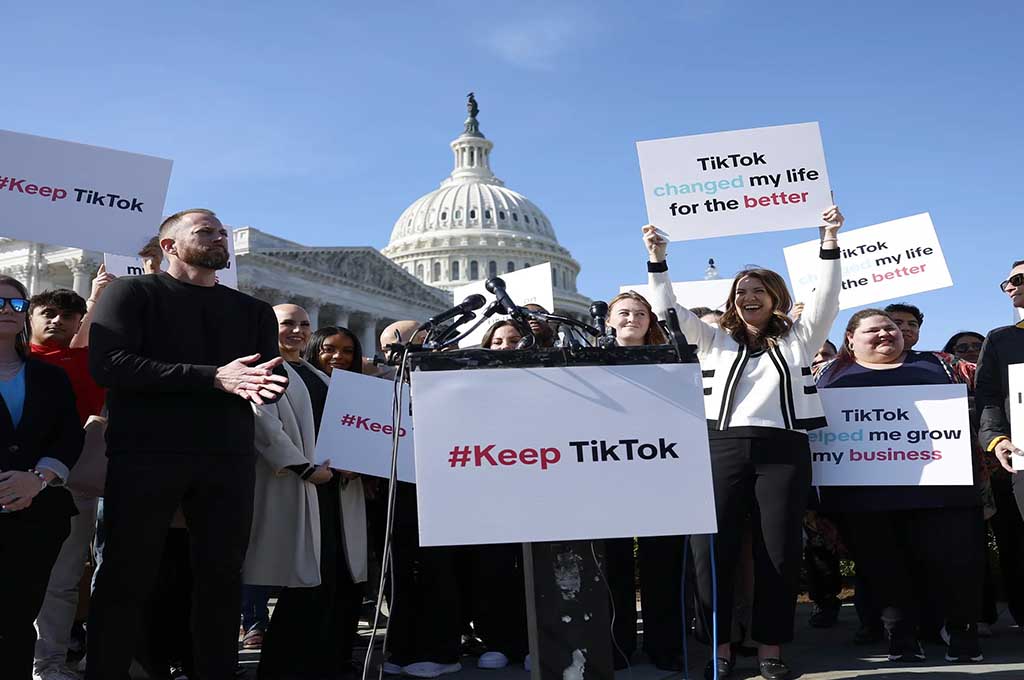
TikTok’s users and creators voiced their opposition, arguing that banning the app would stifle creativity and harm small businesses reliant on the platform for marketing. These legal and public relations strategies played a crucial role in stalling the ban and keeping TikTok operational in the US.
Donald Trump’s Influence on TikTok’s Restoration
President Donald Trump played a paradoxical role in TikTok’s journey in the United States. While his administration was initially responsible for the executive orders seeking to ban the app, his push for ByteDance to sell TikTok’s US operations indirectly influenced the conditions that led to its eventual restoration.
Trump’s insistence on a sale to a US-based company, such as Oracle or Walmart, created a pathway for TikTok to address regulatory concerns. This push forced ByteDance to prioritise transparency and engage in discussions about data security, laying the groundwork for initiatives like Project Texas. Although the sale never materialised, the pressure from the Trump administration acted as a catalyst for TikTok to implement significant changes that later satisfied US regulators.
Additionally, Trump’s high-profile stance on TikTok brought widespread attention to the platform’s data practices and geopolitical implications. This scrutiny, while challenging for TikTok, compelled the company to adopt robust measures to protect user data and distance itself from potential foreign influence. In hindsight, these actions contributed to creating an environment in which TikTok could eventually restore and continue its operations in the US.
The Biden Administration’s Approach to TikTok
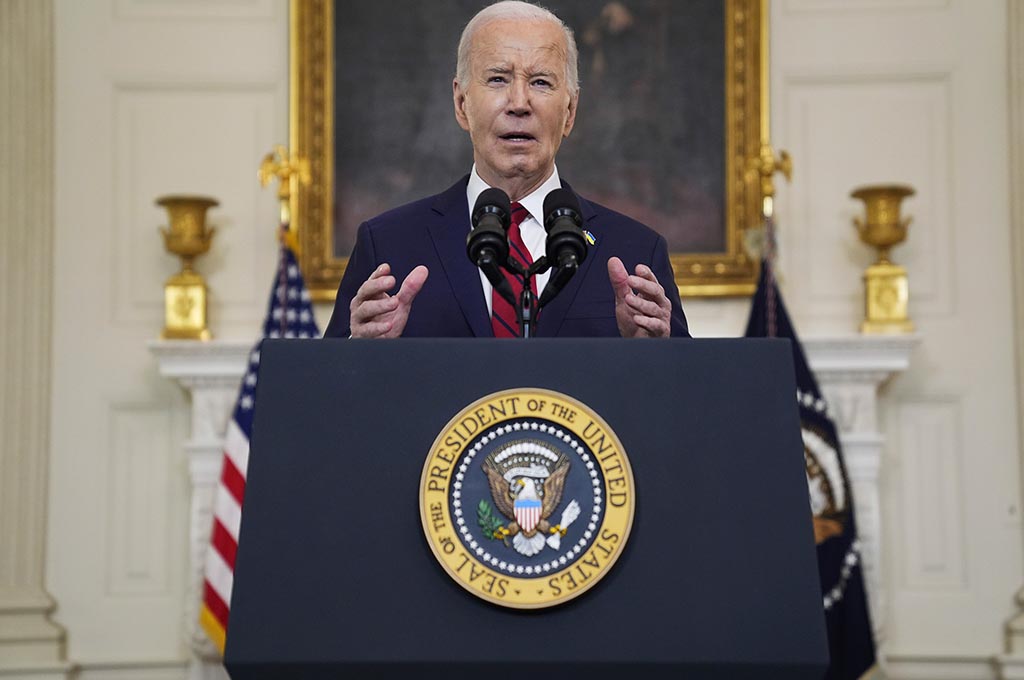
When former President Joe Biden assumed office in January 2021, his administration took a different stance on TikTok. The focus shifted from outright bans to a more comprehensive review of data security practices. In June 2021, President Biden revoked the Trump-era executive orders targeting TikTok and directed the Commerce Department to develop new guidelines for evaluating apps linked to foreign adversaries.
This shift provided TikTok with an opportunity to address the concerns raised by regulators. The company emphasised its commitment to transparency and collaboration, working to demonstrate that its data practices posed no threat to national security.
TikTok’s Measures to Alleviate Security Concerns
In response to US regulatory concerns, TikTok implemented a series of measures to enhance data security and build trust. The company announced plans to store US user data on servers located in the United States through partnerships with American firms such as Oracle. Dubbed “Project Texas,” this initiative aimed to isolate US user data from foreign access.
TikTok established transparency centres to allow independent audits of its algorithms and data handling practices. By taking these steps, TikTok sought to reassure regulators and users alike that it was taking data privacy and security seriously.
The Impact of TikTok’s Absence on Users and Businesses
During the period of uncertainty, TikTok’s potential absence left many users and businesses worried about losing a vital platform for expression and marketing. TikTok had become a cultural phenomenon, providing a space for creative storytelling, trends, and grassroots movements.
Small businesses, in particular, relied heavily on TikTok’s algorithm-driven content discovery to reach new customers. For many, the platform’s potential ban represented a significant risk to their digital marketing strategies. This underscored TikTok’s integral role in the modern social media landscape.
The Restoration of TikTok’s Services: What Changed?
The restoration of TikTok’s services in the US is a result of its proactive efforts to comply with regulatory requirements and rebuild trust. By demonstrating transparency and addressing concerns about data sovereignty, TikTok was able to secure the necessary approvals to continue operations.
The political landscape also played a role. With new regulations focusing on broader data security measures rather than targeting specific companies, TikTok benefited from a more balanced approach. This shift allowed the platform to work collaboratively with regulators instead of facing unilateral threats of bans.
Conclusion
TikTok’s journey in the United States has been a rollercoaster of legal battles, public debates, and regulatory challenges. Its restoration of services is a testament to the company’s resilience and commitment to addressing concerns head-on. While the road ahead may still have obstacles, TikTok’s ability to adapt and innovate positions it well for continued success in the US. For users, creators, and businesses, the platform’s return represents not just a victory for TikTok but also for the vibrant digital community it has fostered.