
Samsung XR Headset: Game Changer or Just Hype?

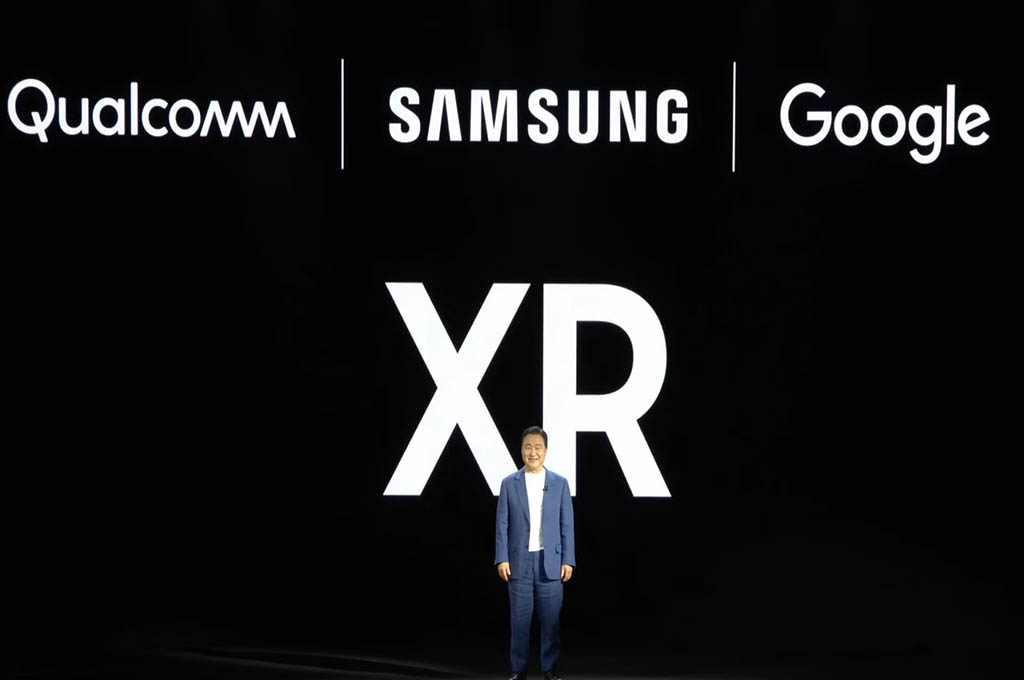
Marques Brownlee’s recent YouTube video has given us a tantalising glimpse of Project Moohan, the collaborative XR headset from Samsung and Google. While it showcases some exciting features and hints at the potential of Android XR, it also leaves us with burning questions, particularly regarding price and its ultimate purpose in a world already populated with smartphones and AR glasses. Let’s break down what we’ve learned and explore the implications for the future of mixed reality.
Headset Design: Echoes of Apple, with a Touch of Meta
The prototype headset showcased in the video bears a striking resemblance to Apple’s Vision Pro, but with some key differences. Instead of an over-the-head strap, it features a single, adjustable strap similar to the Meta Quest Pro, which Brownlee claims offers comparable comfort without the need for additional support. Like the Vision Pro, Moohan relies on an external battery pack, but with a clever twist: you can connect any USB-C battery pack, giving users flexibility in choosing between a slimmer profile or extended battery life.
This modular approach to power is a welcome design choice, allowing users to tailor the headset to their specific needs. Imagine opting for a lightweight battery pack for short bursts of gaming or creative work, then switching to a larger capacity pack for extended movie watching or immersive experiences. This adaptability could be a key differentiator for Moohan in the XR market.
Mixed Reality: Promising, but Requires Further Evaluation
While the mixed reality capabilities looked promising in the video, it’s difficult to draw definitive conclusions based on the footage alone. Brownlee’s bright environment might have favoured the passthrough cameras, and the recorded footage often appears clearer than the user’s actual view. A true assessment of Moohan’s mixed reality performance will have to wait for hands-on testing in diverse environments.
It’s crucial for Samsung and Google to ensure that Moohan delivers a convincing mixed reality experience across a range of lighting conditions and real-world scenarios. The ability to seamlessly blend digital content with the physical environment is essential for many XR applications, from gaming and entertainment to productivity and education. Only thorough testing and user feedback will reveal whether Moohan truly lives up to its mixed reality potential.
Controller-Free Interaction: Hand Tracking Takes Centre Stage
Moohan appears to ditch traditional VR controllers in favour of hand tracking, similar to the Meta Quest series. This approach, which involves reaching and pointing rather than manipulating virtual objects with controllers, could facilitate easier porting of XR apps from Meta’s ecosystem to Android XR. However, the absence of controllers might limit precision and feedback in certain applications.
Striking a balance between intuitive interaction and precise control will be crucial for Moohan’s success. While hand tracking offers a natural and immersive way to interact with virtual environments, certain tasks, such as complex 3D modelling or fast-paced gaming, might benefit from the tactile feedback and precise input provided by physical controllers. Perhaps Samsung and Google are exploring alternative input methods or haptic feedback solutions to address these potential limitations.

Gemini Integration: Clever, but is it Contextually Relevant?
The integration of Gemini, Google’s AI model, is arguably Moohan’s most intriguing feature. Brownlee demonstrated impressive capabilities, such as identifying a book cover and instantly transporting the user to the depicted location in Google Maps. Voice commands and contextual search further enhance the user experience. However, the question remains: is a powerful AI assistant truly necessary in a headset that’s unlikely to be worn for extended periods or used in everyday situations, unlike AR glasses?
The success of Gemini integration will depend on whether developers can create compelling use cases that leverage its capabilities within the context of XR. Imagine an AI assistant that can provide real-time information about your surroundings, translate languages on the fly, or even generate interactive stories based on your environment. If Gemini can truly enhance the XR experience in meaningful ways, it could be a significant differentiator for Moohan.
Software Ecosystem: A Lack of “Wow” Factor?
Beyond Gemini, the software offerings showcased in the video felt somewhat underwhelming. XR versions of existing Android apps, while functional, failed to demonstrate compelling use cases that couldn’t be achieved with a smartphone or basic AR glasses. This echoes a criticism levelled at the Apple Vision Pro:Apple Vision Pro: does it offer enough unique functionality to justify its existence alongside other devices in our technological arsenal?
To truly succeed, Moohan needs a robust and diverse software ecosystem that goes beyond simply replicating existing mobile experiences. Developers need to be inspired to create innovative applications that leverage the unique capabilities of XR, such as immersive 3D environments, interactive simulations, and collaborative tools. Only then will Moohan be able to carve out a distinct niche in the crowded consumer technology landscape.
The Price Conundrum: A Deciding Factor?
Ultimately, the success of Project Moohan may hinge on its price. Samsung has remained tight-lipped on this crucial detail, but it’s a key factor that will determine its appeal to consumers. If priced competitively against standalone VR headsets, Moohan’s mixed reality capabilities and Gemini integration could be tempting. However, if it enters the same price bracket as the Apple Vision Pro, it will need to offer a significantly more compelling software ecosystem and demonstrate clear advantages over existing devices.
A competitive price point will be crucial for driving adoption and attracting a wider audience. Samsung and Google need to carefully consider the value proposition of Moohan and ensure that it offers a compelling balance of features, performance, and affordability. Striking this balance will be essential for Moohan to gain a foothold in the rapidly evolving XR market.
Conclusion: Potential and Uncertainty
Project Moohan offers a glimpse into the potential of Android XR, showcasing innovative features like hand tracking and Gemini integration. However, it also raises questions about its target audience, its unique selling points, and ultimately, its price. Samsung and Google have the opportunity to address these concerns and cultivate a thriving XR ecosystem, but it remains to be seen whether they can deliver on the promise of a truly transformative mixed reality experience.