
AI Agents to Enter Workforce in 2025: Sam Altman’s Bold Vision

Sam Altman, CEO of OpenAI, has made a ground-breaking announcement: AI agents will begin integrating into the workforce as early as 2025. With advancements in artificial general intelligence (AGI) nearing completion, Altman’s vision signals a transformative era for industries worldwide. OpenAI’s confidence in achieving AGI underlines its commitment to reshaping the relationship between humans and technology.
The Road to AGI: OpenAI’s Vision
Artificial general intelligence, often described as AI with human-like cognitive abilities, has been a long-sought goal in the tech world. OpenAI’s progress in developing AGI has been rapid, thanks to breakthroughs in neural networks and machine learning. Notably, Altman expressed confidence that AGI would materialise within the next few years.
This ambitious vision is supported by recent developments. OpenAI’s large language models, such as GPT-4, have already demonstrated capabilities previously considered exclusive to humans. With advancements accelerating, AGI could redefine how we approach complex problem-solving, decision-making, and creativity.
AI Agents in the Workforce: What to Expect
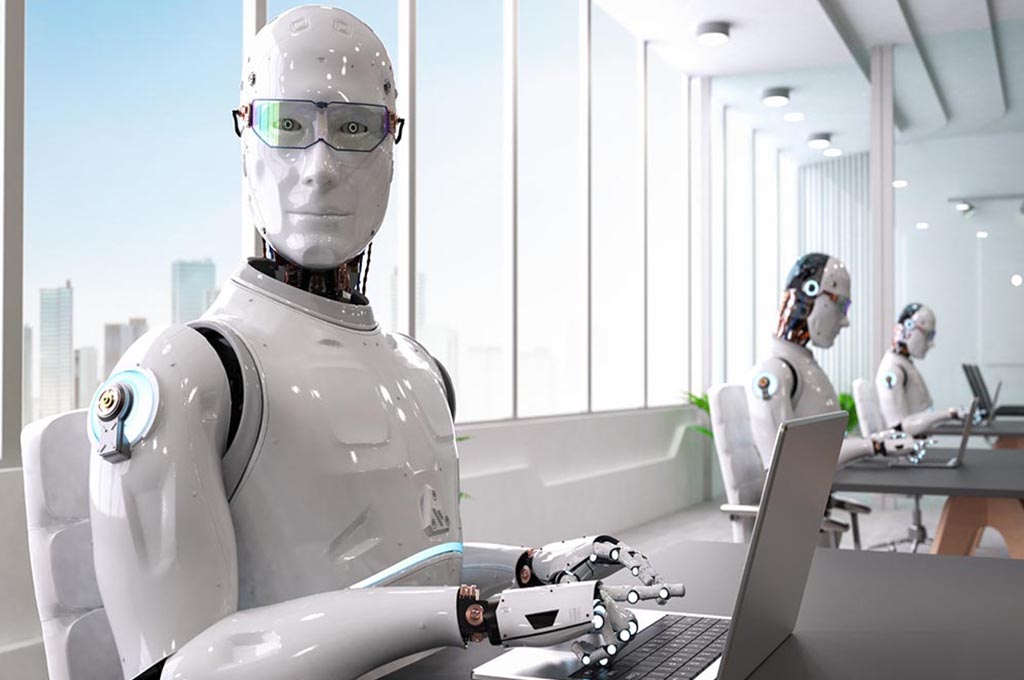
Altman’s announcement highlights that AI agents are poised to take on meaningful roles in the workforce. These agents will perform tasks ranging from administrative assistance to technical problem-solving. Importantly, their integration aims to complement human effort rather than replace it.
Moreover, industries like healthcare, finance, and manufacturing are expected to see significant benefits. AI agents can analyse large datasets in seconds, assist with diagnostics, and optimise production workflows. As a result, businesses may experience increased efficiency and reduced operational costs.
Transitioning to an AI-Augmented Workforce
The introduction of AI agents will require significant adjustments. For instance, businesses will need to invest in training employees to work alongside these intelligent systems. This collaboration between humans and AI could lead to innovative workflows and enhanced productivity.
Additionally, governments and organisations must address ethical concerns. Questions about data privacy, accountability, and job displacement will need careful consideration. Altman has emphasised the importance of transparency and inclusivity during this transitional period, ensuring no one is left behind.
The Benefits and Challenges of AGI
While the potential of AGI is immense, it comes with its own set of challenges. On one hand, AGI could unlock solutions to global problems, such as climate change and healthcare inequities. With its ability to synthesise vast amounts of information, AGI could offer insights that elude human understanding.
On the other hand, critics warn of the risks. Concerns about misuse, bias, and the concentration of power in tech giants’ hands are prevalent. OpenAI has reiterated its commitment to responsible AI development, fostering global collaboration to mitigate these risks.
The Role of OpenAI in Shaping the Future
OpenAI has positioned itself as a leader in the AI revolution. Its mission to ensure AI benefits all of humanity drives its research and initiatives. Altman’s declaration about AGI and workforce integration underscores OpenAI’s dedication to transparency and ethical practices.
OpenAI’s partnerships with governments and educational institutions aim to prepare society for the changes ahead. By investing in education and policy development, the company seeks to create a future where AI augments human potential rather than undermining it.
Preparing for the Future: What Lies Ahead
As 2025 approaches, businesses, governments, and individuals must prepare for the impact of AI agents. Upskilling programmes, robust regulations, and open dialogues will be critical to navigating this transition smoothly.
Altman’s optimistic outlook on AGI reflects a world where humans and AI work in harmony. While challenges remain, the potential for innovation and growth is unparalleled. As AI agents enter the workforce, society stands on the brink of a new technological frontier that promises to redefine what is possible.