
5090 RTX: Where Did All the Cards Go?

The launch of a new high-end graphics card is always met with a mix of excitement and trepidation. While gamers eagerly anticipate the performance leap, they also brace themselves for the inevitable scramble to actually buy the card. The Nvidia 5090 RTX launch has been no exception. In fact, it’s been a masterclass in scarcity, leaving many enthusiasts wondering when, if ever, they’ll be able to snag one at a reasonable price. This article delves into the reasons behind the 5090 RTX shortage, explores the impact on consumers, and offers some advice for those hoping to upgrade their gaming rigs.
Launch Day Lull: The Initial Stock Drought
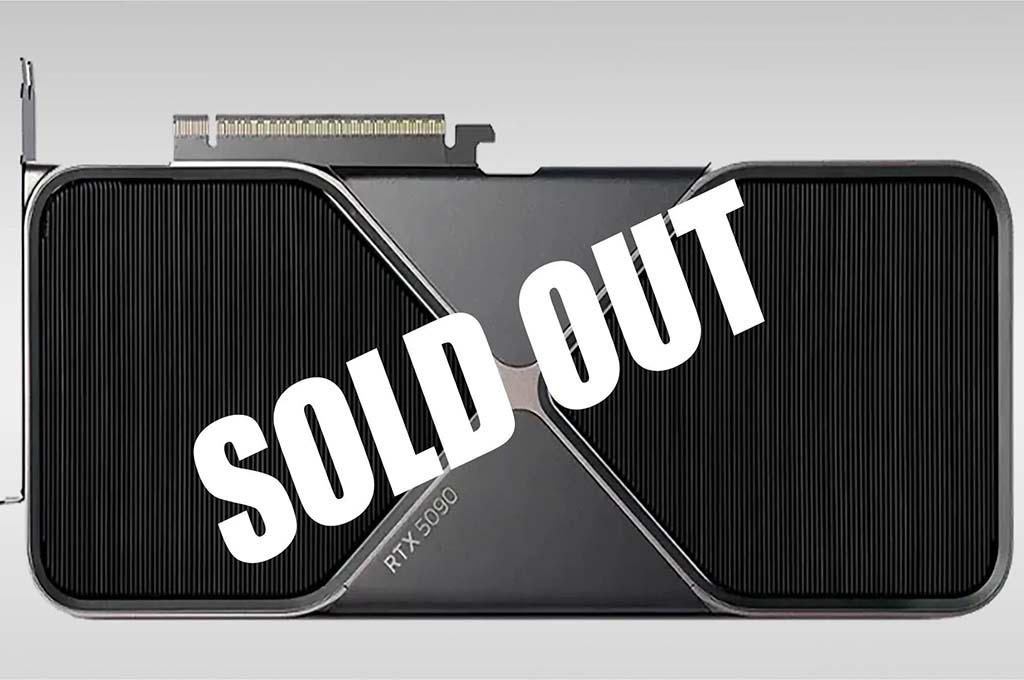
Launch day arrived with a whimper, not a bang. Despite the hype, initial stock of the 5090 RTX was incredibly limited. Major online retailers were sold out within minutes, if not seconds, of the card becoming available. This immediate sell-out wasn’t entirely unexpected, but the sheer scale of the shortage surprised even seasoned tech observers. The few cards that did make it into consumers’ hands were often subject to significant price mark-ups by resellers.
This initial scarcity set the stage for the ongoing shortage. It fuelled a sense of urgency among potential buyers, driving them to refresh retailer pages endlessly and resort to less conventional methods to secure a card. This frantic demand, coupled with the limited supply, created a perfect storm for price gouging and market manipulation.
The Bot Army: Automated Purchasing and Market Manipulation
One of the primary culprits behind the 5090 RTX shortage is the use of bots. These automated programs are designed to rapidly purchase large quantities of products, often faster than any human can react. Opportunistic individuals deploy these bots to snatch up available stock, effectively cornering the market and artificially inflating prices. This practice not only frustrates legitimate consumers but also undermines the fairness of the launch.
The use of bots has become increasingly sophisticated, making it difficult for retailers to implement effective countermeasures. While some retailers have attempted to implement CAPTCHAs and other anti-bot measures, these are often circumvented by determined scalpers. This ongoing arms race between retailers and bot users continues to exacerbate the shortage.

The Opportunists Paradise: Profiteering from Scarcity
The limited availability of the 5090 RTX has created a lucrative opportunity for Profiteers. These individuals purchase cards at the Manufacturer’s Suggested Retail Price (MSRP), often using bots, and then resell them at exorbitant prices on secondary markets. The inflated prices can be several times the original MSRP, effectively pricing the card out of reach for many gamers.
This practice preys on the desperation of consumers who are eager to upgrade their systems. By artificially limiting the supply, profiteers create a sense of scarcity that drives up demand and allows them to command premium prices. This cycle of scarcity and profiteering perpetuates the shortage and makes it even more challenging for legitimate buyers to acquire a card.
Manufacturing Mayhem: Supply Chain Constraints
While bots and profiteers play a significant role in the 5090 RTX shortage, they are not the only factors at play. Global supply chain constraints, including chip shortages and logistical challenges, have also contributed to the limited availability of the card. These issues have impacted the production and distribution of various electronic components, including the GPUs that power the 5090 RTX.
These manufacturing challenges are often beyond the control of Nvidia and its partners. They highlight the complex and interconnected nature of the global supply chain and the vulnerability of the tech industry to unforeseen disruptions. While these issues are slowly being resolved, they continue to impact the availability of the 5090 RTX.

The AI Arms Race: Demand from a New Frontier
The rise of artificial intelligence (AI) and machine learning has introduced another significant demand driver for high-performance GPUs like the 5090 RTX. Training complex AI models requires immense computational power, and GPUs are particularly well-suited for this task. As AI research and development accelerate, the demand for these powerful processors has surged, creating a new wave of competition for available stock.
AI developers, researchers, and companies are all vying for access to the latest GPUs to train their models. This competition has further strained the already limited supply of 5090 RTX cards, making it even more difficult for gamers and other consumers to purchase them at reasonable prices. The increasing importance of AI across various industries, from healthcare to finance, ensures that this demand for GPUs is likely to remain strong for the foreseeable future. This creates a long-term challenge for balancing supply and demand in the graphics card market.
The Waiting Game: When Will Stock Levels Normalise?
Predicting when stock levels of the 5090 RTX will return to normal is a difficult task. Analysts and industry experts offer varying estimates, but the consensus is that the shortage is likely to persist for four to six more months. Factors such as the resolution of supply chain constraints, the effectiveness of anti-bot measures, and the fluctuations in the cryptocurrency market will all play a role in determining when availability improves.
In the meantime, potential buyers are left with a difficult decision: pay the inflated prices demanded by scalpers or wait patiently for stock to normalise. Purchasing cards at these inflated prices only encourages the scalpers’ behaviour and perpetuates the problem. A better approach is to exercise patience and refuse to participate in the inflated market.
Conclusion: A Call for Patience and Responsible Purchasing
The Nvidia 5090 RTX shortage is a complex issue with multiple contributing factors. While bots, profiteers, and supply chain constraints all play a role, the ultimate solution lies in a combination of industry efforts and consumer behaviour. Retailers need to implement more robust anti-bot measures, manufacturers need to ramp up production, and consumers need to resist the temptation to pay exorbitant prices.
By exercising patience and refusing to support the inflated market, consumers can send a message to profiteers that their tactics will not be rewarded. While the wait for a 5090 RTX at MSRP may be frustrating, it is a more sustainable and ethical approach in the long run. Until then, there are plenty of other excellent graphics cards available, and perhaps, it’s a good time to revisit some games in your backlog.