
Are Social Media Giants on the Brink of Collapse?

In recent years, social media platforms have been at the heart of a digital revolution, transforming how we connect, communicate, and consume information. From the early days of MySpace and Bebo to the dominance of Facebook, Instagram, Twitter (now X), and TikTok, these platforms have reshaped entire industries and societies. However, it seems the tide is slowly turning against the once untouchable social media giants.
Changing Public Sentiment
What was once seen as a space for free expression, fun, and innovation is increasingly being viewed through a more sceptical lens. Scandals like Facebook’s involvement in the Cambridge Analytica data breach and the spread of misinformation surrounding elections and the COVID-19 pandemic have tarnished the image of social media platforms. Users are becoming more aware of how their data is harvested and monetised, leading to growing concerns about privacy and the role these companies play in shaping public opinion.
According to recent studies, trust in social media companies has been steadily declining. A Edelman Trust Barometer survey revealed that only 44% of people now trust social media, a marked drop compared to a decade ago. The perception that these platforms are putting profit over user wellbeing is becoming harder to ignore. Algorithms designed to maximise engagement have often led to the amplification of polarising and harmful content, leaving many users questioning whether social media is still a force for good.
The Rise of Social Media Addiction and Mental Health Concerns
The impact of social media on mental health has sparked widespread debate, particularly among young people. Platforms like Instagram and TikTok are frequently criticised for promoting unrealistic beauty standards and fostering a culture of comparison. Studies have shown that heavy use of these platforms can lead to increased anxiety, depression, and body image issues, especially among teenagers.
In response to this growing concern, governments and advocacy groups have begun pressuring tech companies to take responsibility for the mental health of their users. Instagram, for example, has trialled hiding likes in certain countries to reduce the pressure of social validation. However, critics argue that these moves are little more than cosmetic changes and do not address the root problems embedded in the business model of social media platforms.

Government Regulations Are Tightening
As public sentiment shifts, so too does political action. Governments around the world are stepping up efforts to regulate social media companies, demanding greater transparency and accountability. The European Union’s Digital Services Act (DSA), which came into effect in 2024, is one of the most significant regulatory steps taken in recent years. It imposes stringent requirements on platforms to curb illegal content, protect user privacy, and combat the spread of disinformation.
In the UK, the Online Safety Bill is another key development. Set to impose a duty of care on tech companies, the bill aims to protect users—particularly children—from harmful content, including cyberbullying, hate speech, and child exploitation. Failure to comply could lead to hefty fines, and in some cases, criminal charges for company executives. Such regulatory frameworks reflect a growing consensus that the self-regulation model favoured by tech companies is no longer sufficient.
Australia is planning to introduce a minimum age limit for children using social media, citing concerns over the impact on mental and physical health. Prime Minister Anthony Albanese announced that his centre-left government will conduct an age verification trial before implementing social media age restrictions later this year. While Albanese did not specify the exact minimum age, he indicated it would likely fall between 14 and 16.
Brazil has already banned X (formerly Twitter) all together.
A New Era of Social Media?
Amid the backlash against traditional social media giants, newer platforms with a different ethos are beginning to emerge. Platforms like BeReal and Mastodon promote transparency, decentralisation, and authentic engagement, positioning themselves as alternatives to the highly curated, advertisement-driven models of Facebook and Instagram. These platforms are gaining traction among users who are tired of the addictive and performative nature of mainstream social media.
Moreover, the growing popularity of paid, ad-free platforms like Substack suggests that users may be willing to pay for services that offer genuine value without exploiting their personal data. This shift in user preferences could force larger companies to reconsider their business models if they want to stay relevant in a more privacy-conscious world.
Social Media’s Role in Democracy and Free Speech
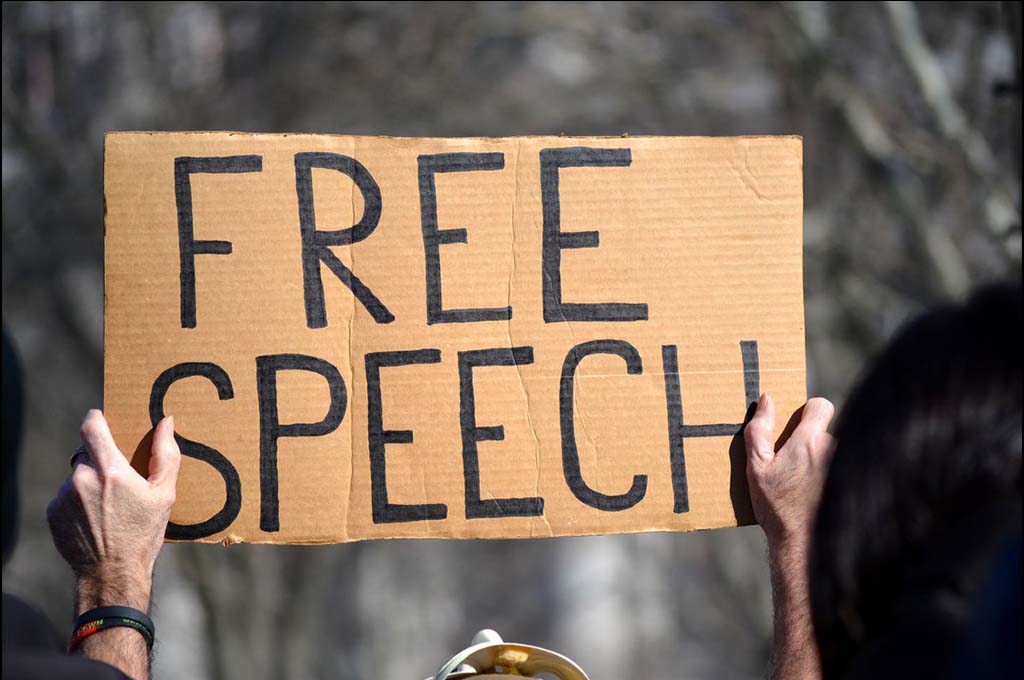
The role of social media in democracy has been a double-edged sword. On the one hand, it has given voice to marginalised groups and created new avenues for activism. Movements like #BlackLivesMatter and #MeToo gained global momentum thanks to the power of social platforms. On the other hand, social media has been a breeding ground for fake news, election interference, and the manipulation of public opinion. The 2016 US election and the Brexit referendum are prime examples of how platforms like Facebook and Twitter were used to spread disinformation and sow division.
As governments continue to grapple with how to balance free speech with the need to prevent harm, platforms find themselves at a crossroads. Twitter’s controversial decision to allow political advertising again after banning it in 2019 highlights the complexity of these issues. While some argue that restricting content could undermine free speech, others believe that the failure to moderate harmful content effectively undermines democracy itself.
Can Social Media Companies Weather the Storm?
Despite the challenges they face, social media companies remain deeply embedded in the fabric of modern life. Their power and influence are undeniable, and while public trust may be declining, billions of people still use these platforms every day. However, as governments clamp down, alternative platforms rise, and users grow more aware of the ethical implications of their online habits, it is clear that social media giants will need to evolve to survive.
The tide may be turning, but it is far from certain whether we are witnessing the end of an era or the beginning of a new one. For now, it’s clear that the honeymoon period is over. Social media companies can no longer rely on the goodwill of users and governments alike. Whether they can adapt to this new reality remains to be seen, but one thing is certain: the conversation about the future of social media is only just beginning.